
Cultivation
A lot moves on a schedule: propagation, mother, veg, bloom, and harvest. Living plants are tracked by count. Seeds, clones, and plants stay attached to the lot, the room, and the people who signed the move.
Harvest closes the count. Trays take the wet weight. Drying, curing, and storage bins carry the material by weight from there. Planning views show plant inventory, post-harvest inventory, packaged stock, and yields, including a look back at what was on hand on a past date.
Floor Signal records the plant count, the harvest, the trays, the drying log, and the cure weight in the room.
Processing
Dried material, extracts, and blends are processing lots with phases. Material is gathered from a compatible lot, a phase is started or skipped when the plant form allows it, and the phase is signed when it is finished. What you keep is staged into bins on this lot, another lot, or a new one.
The master batch record benchmark is the plan for that run. Quality tasks and critical materials sit on the plan, so the batch can be reconstructed from the record rather than from a binder that walked away.
Packaging, labels, and excise stamps
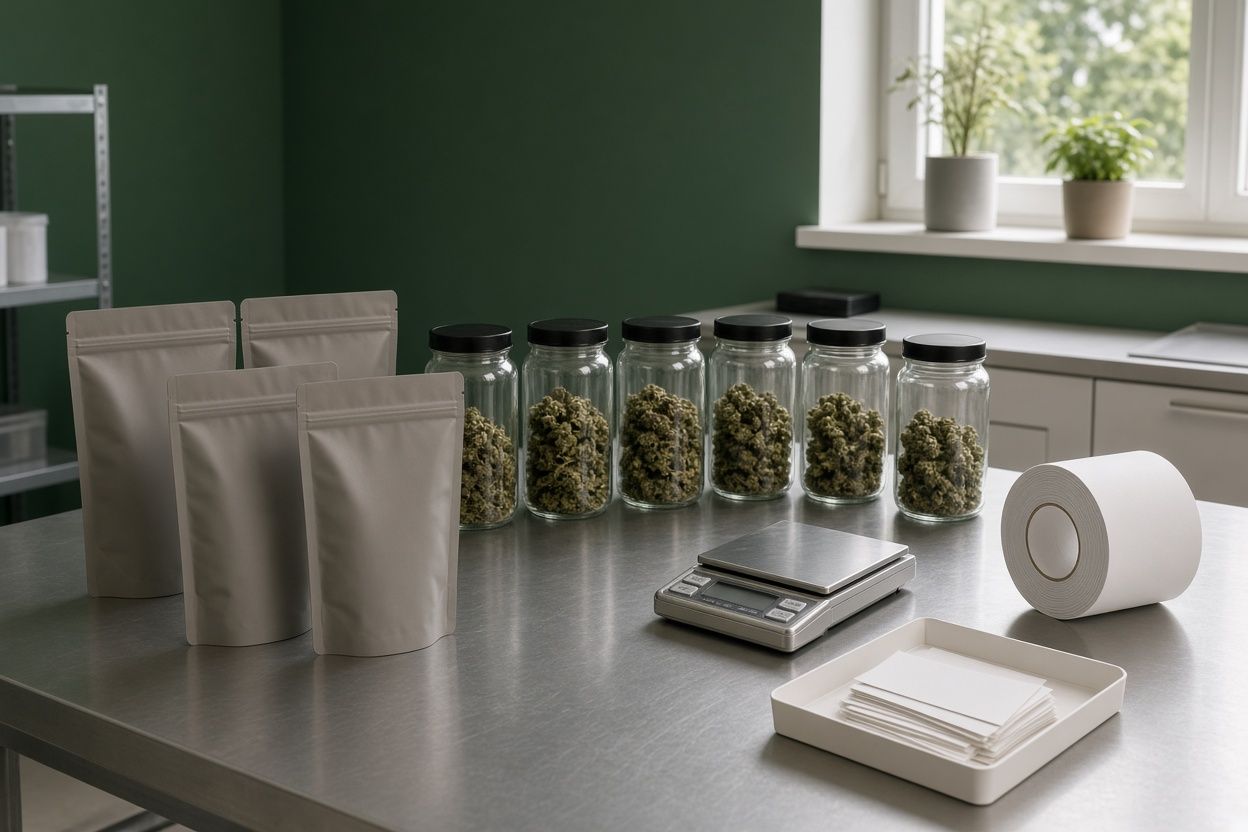
A package specification is the SKU: the final cannabis product, the pack, and the materials that go into it. Quick package and combo packages record the units. Unpack is a recorded reversal, not a silent edit.
Labels can carry your GS1 company identifiers, and the system can generate Datamatrix barcodes for the package or the case. Variable data comes from the lot, which is how a recall stays a search instead of a guess.
Excise stamps are critical materials. You receive them, hold them, and apply them to the package. Stamp inventory is one of the records producers tell us they will not go back to a spreadsheet for.
Quality management
SOPs live in the system and can be handed to the team that has to follow them. A QMS log can be assigned to a named person, reviewed, and filed with the documents that belong to it.
Samples and lab results stay on the lot. A test can be signed. Destruction of bulk and of packaged product is a witnessed record. Recalls are a report you can run because the packages know their lot.
Good production practices, the complaint file, and a two-year batch history are the questions an inspection actually asks. Cropsify is the place those answers are written as the work happens.
For a validation effort, Cropsify provides IQ and OQ protocol templates as vendor support. They are not a certificate of compliance, and they do not replace the validation you run for your own licence. European or other export readiness is a quality-record conversation we will have on the demo, against your actual scope.

Bill of materials
Critical materials are the supplies that are not the cannabis: nutrients, packs, labels, moisture packs, excise stamps, and the rest of what a run consumes. A recipe draws those materials and keeps the quantity, the unit price, and the cost. A work order carries a bill of materials plus the labor and the service, including work you bill to a partner.
Usage that does not match output shows up here, while you can still change the run, rather than in a month-end surprise.
Production planning
The lot schedule is the plan: which room, which plant form, which phase, and who signed it. Pre-orders reserve inventory against a customer before the pick. Analytics cover plants, post-harvest material, packaged stock, and yields.
That is the production plan a cultivator and a processor can both read. It is not a separate spreadsheet that has to be reconciled back to the lot on Friday.
Sales, tax, and the books
Vendor purchase orders and supply orders bring materials and finished goods in. Sales orders go out as retail or distributor invoices, with GST, PST, and federal cannabis duty on the order. Packing slips, pick lists, return orders, and Canada Post labels are documents of the same order.
Medical clients and practitioners have their own records. Producers on the medical module can use Medavie Blue Cross ePay. Cropsify has published deposit times of about 14 to 30 days for those claims. Wholesale and farm-gate selling use the same product and the same lot, so a package is not entered again just because the channel changed.
Sales reports cover product, lot, package, net sales, and taxes. One published comment from Optimus Cannabis: a clinic report that used to take 60 to 90 minutes finished in 5, and gross revenue after shipping and excise was available in under a minute. That is their number, for their agreements. On the demo we will use your agreements.
More than one site
An off-site transfer moves bulk cannabis with a chain of custody when there is no sale. A sale stays a sale. Partner product mapping lets two Cropsify sites share a specification instead of retyping the name, the pack, and the plant form.
PORT neXus is the door for a supply partner who should see a limited slice of the record, not your whole company. The eCommerce portal publishes a lot to medical, wholesale, or farm-gate when that lot is ready to sell.
CTLS, B300, and the audit pack
Cropsify generates the cannabis report, the CTS audit, and the CRA B300 from inventory. The audit page breaks a monthly number back to the lots behind it, so you can fix a difference before you submit. A submission log keeps what you filed.
The same reporting area holds the Health Canada monthly report, the product inventory report, registration and practitioner reports, and provincial outputs such as BCLDB where your sales need them. Waste, storage, packaging, harvest, and lab reports sit beside them. Outputs come as PDF, Excel, and CSV.
Cropsify prepares and audits those Canadian filings. You still submit them. Where a state requires its own track-and-trace system, that system remains the system of record. We will say on the demo exactly what connects and what does not. We will not tell you we replace it.